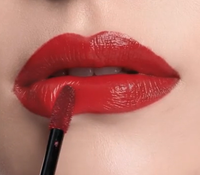


The best lip tint for dry lips should feel lightweight and flexible, spread evenly in a thin layer, and provide useful color without requiring repeated heavy coats. Look for a fluid or airy texture, moisture-supporting ingredients such as glycerin or glycols, flexible texture materials, and a finish that does not make every dry area look more pronounced.
No lip tint can treat cracked lips or guarantee comfort for everyone. Your lip condition, sensitivities, climate, preparation, and removal routine all matter. The goal is to choose a formula that supports comfortable wear while giving dry-feeling lips a smooth, even-looking result.
Quick Answer: What Is the Best Type of Lip Tint for Dry Lips?
For many people with dry-feeling lips, the easiest tint to wear is one that combines:
- A watery, gel, or airy cream texture
- A flexible layer instead of a thick, rigid coat
- Humectants or other moisture-supporting ingredients
- Strong enough pigment to work in one or two thin layers
- A soft-focus, velvet, satin, or glossy finish that suits your comfort preference
- Buildable color that can be touched up without becoming heavy
- Gentle removal without repeated scrubbing
A soft matte finish is not automatically drying, and a glossy finish is not automatically moisturizing. Texture, ingredients, application amount, and individual response are more useful than the finish name alone.
Dry Lips and Chapped Lips Are Not the Same
Before choosing a tint, consider the current condition of your lips.
Dry-feeling lips may feel tight or show fine surface texture but remain intact and comfortable enough for makeup. With gentle preparation and the right formula, lip tint may still apply evenly.
Chapped or irritated lips may be peeling heavily, split, sore, swollen, burning, or bleeding. Long-wear color can catch on damaged areas and make removal more uncomfortable. Makeup is not treatment, so it is better to pause lip tint until the lips feel calm and intact.
The American Academy of Dermatology recommends using non-irritating lip products, avoiding licking or picking, and stopping any product that causes burning, stinging, or discomfort. Persistent or severe symptoms should be assessed by a qualified medical professional. See the AAD guide to dry, chapped lips for general care guidance.
Seven Things to Look for in a Comfortable Lip Tint
1. A Lightweight, Spreadable Texture
A thin watery, gel, or airy cream texture can distribute pigment without creating a thick mask over the lips. Good slip also reduces the need to drag the applicator repeatedly across dry areas.
The formula should feel controlled rather than runny. A tint that floods the inner lip or immediately gathers at the edges may be difficult to keep even, especially when the surface is dry.
When testing a formula, ask:
- Does one small amount spread across the lips easily?
- Can I create an even layer without repeated brushing?
- Does the texture feel light after it settles?
- Can I move my lips comfortably without a rigid coating sensation?
Comfort is not the same as feeling nothing at all, but the tint should not feel increasingly tight, painful, or irritating.
2. Humectants and Moisture-Supporting Ingredients
Humectants are ingredients used in cosmetic formulas to help attract or hold water within the product and on the applied surface. Common examples in lip products include glycerin, butylene glycol, and pentylene glycol.
Their presence does not turn makeup into a lip treatment, and an ingredient list cannot predict every person's experience. However, humectants can be one useful sign that the formula was designed with texture and comfort in mind.
Look at the complete formula rather than searching for one fashionable ingredient. A tint's feel comes from the balance of its liquid base, humectants, emollient or silicone materials, film formers, pigments, and preservatives.
3. Flexible Texture and Film-Forming Materials
Lips move constantly when you speak, smile, eat, and drink. A comfortable long-wearing tint needs to settle without feeling like a brittle shell.
Silicone ingredients such as dimethicone and silicone elastomers can contribute slip, softness, and a more diffused surface. Flexible polymer or film-forming materials can help color form a more continuous layer while accommodating normal lip movement.
These ingredients do not erase lip lines or repair dryness. Their value is cosmetic: they can help a formula spread smoothly, feel silky, and create a softer-looking finish.
4. Useful Pigment in a Thin Layer
Dry texture often looks more pronounced under several thick coats. A tint that gives visible, even color in one thin layer lets you avoid unnecessary buildup.
That does not mean the most opaque formula is always best. A highly concentrated tint can create dark patches if too much is deposited at once. The ideal balance is pigment that spreads evenly and remains buildable.
Look for a formula that allows you to:
- Wear one layer for a soft everyday result
- Add a second thin layer for greater depth
- Correct only the faded area during touch-ups
- Avoid recoating the entire lip repeatedly
5. A Finish That Does Not Emphasize Texture
Different finishes can work for dry lips in different ways.
| Finish | Potential Advantage | What to Watch For |
|---|---|---|
| Glossy or dewy | Reflection can make lips look fuller and less flat | Shine may fade sooner or move with contact |
| Satin | Balances soft reflection with a polished surface | Finish varies widely between formulas |
| Soft-focus velvet matte | Diffused reflection can soften the appearance of fine lines | Flakes still need preparation; heavy coats can look uneven |
| Flat opaque matte | Strong definition and concentrated color | May visually emphasize rough areas or feel rigid on some lips |
A velvet matte can be comfortable when the layer is thin and flexible. A gloss can feel uncomfortable if it is sticky or requires constant reapplication. Choose based on the actual formula and how your lips respond, not a simple matte-versus-gloss rule.
To understand the soft-focus category, read What Is a Blurring Lip Tint? A Complete Guide to the Soft-Focus Lip Look.
6. Buildability Without Pilling or Lifting
Dry lips often need targeted correction rather than a full heavy second coat. A comfortable tint should let you deepen or repair color without rolling up, lifting the first layer, or creating a thick border.
The first layer still needs time to settle. Applying fresh tint over a wet, moving base can create streaks even when the formula itself is buildable.
Before adding more color, wait until:
- The obvious wet shine has softened
- The tint is no longer moving easily
- You can see the true finished shade
- You know exactly which areas need more coverage
For a full explanation of the setting process, see Gloss to Matte Lip Tint: How a Shine-to-Blur Formula Works.
7. A Removal Routine That Does Not Require Scrubbing
Comfort matters at the end of wear too. Repeated rubbing can leave already dry lips feeling more sensitive.
Use a remover suited to long-wearing lip color. Hold the soaked pad against the lips briefly to loosen pigment, then wipe gently rather than scrubbing back and forth. Repeat with fresh remover if necessary and apply a non-irritating balm afterward.
A formula that feels comfortable during the day can still become part of an uncomfortable routine when it is removed aggressively every night.
Ingredients to Recognize on a Lip Tint Label
You do not need to become a cosmetic chemist to compare labels. Focus on ingredient groups and remember that the full formulation matters more than any one ingredient.
| Ingredient Type | Examples | Possible Role in the Formula |
|---|---|---|
| Liquid base | Water/Aqua | Creates a fluid, fresh application texture |
| Humectants | Glycerin, butylene glycol, pentylene glycol | Support moisture management and formula comfort |
| Slip and soft-focus materials | Dimethicone, silicone crosspolymers | Add glide, silkiness, and diffused texture |
| Film or structure materials | Polyacrylates, polymers, carbomer | Help the applied layer form and remain even |
| Pigments and colorants | Iron oxides and CI colorants | Create shade and coverage |
Ingredient position, concentration, interactions, and individual sensitivity all affect the final result. A product can contain glycerin and still feel uncomfortable to one person; another formula without a familiar headline ingredient may feel excellent because its overall balance is different.
Red Flags When Choosing Lip Tint for Dry Lips
Be cautious when a product or review suggests that:
- A single ingredient guarantees hydration for everyone
- "Matte" always means drying or "glossy" always means nourishing
- The tint repairs cracked lips or replaces lip care
- Burning, stinging, or tingling means the product is working
- One application remains perfectly even through every meal and drink
- More layers will hide peeling skin
- A blurred finish completely removes natural lip lines
Comfort is personal. Patch testing and stopping when a product causes irritation are more important than forcing a popular formula to work for you.
Is Altera Blurring Lip Tint a Good Choice for Dry Lips?
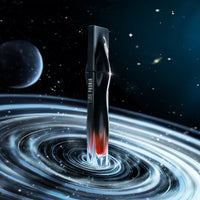
Altera Blurring Lip Tint is a strong Time Phoria option for shoppers who want lightweight color and a soft matte look without a thick liquid-lipstick feel.
It begins as a cooling watery gloss and settles into an airy, soft-focus velvet matte. The published ingredient list for 001 FLUX begins with water and includes dimethicone, butylene glycol, a dimethicone crosspolymer, glycerin, and pentylene glycol. Time Phoria describes the formula using Pure Blur Technology and an Elastomer Water Blend.
These characteristics support several dry-lip-friendly selection criteria:
- Watery, spreadable application
- Lightweight and non-sticky intended feel
- Glycerin and glycols within the formula
- Silicone and elastomer materials for slip and softness
- A flexible-looking velvet finish rather than a thick flat coat
- Buildable color in one or two thin layers
- A soft-focus effect that can reduce visual emphasis on fine lip lines
Altera does not treat chapped lips, remove flakes, or guarantee that every dry-lip wearer will find it comfortable. If your lips are actively cracked or irritated, pause makeup. If your lips are simply dry-feeling, careful preparation and a thin layer are still important.
What Altera Customers Say About Comfort
We reviewed 186 published Altera reviews in the supplied Judge.me export. Twenty-one included themes related to softness, hydration, comfort, or a non-drying feel. Customers often described the texture as lightweight, buttery-soft, velvety, smooth, or non-sticky.
The feedback was not identical. Some shoppers praised both comfort and wear, while others liked the feel but wanted the color to last longer or fade more evenly. That variation is useful: it supports Altera as a comfort-focused option, but it does not justify promising the same result to every customer.
Reviews are personal experiences, not clinical evidence. Your natural lip condition, shade, application amount, meals, moisture, and habits can change both comfort and wear.
How Altera Compares with Other Lip Tint Textures
| Product Style | Initial Feel | Finished Look | Dry-Lip Consideration |
|---|---|---|---|
| Altera-style blurring tint | Watery and cooling | Soft-focus velvet matte | Good when you want lightweight matte color with diffused texture |
| Traditional watery tint | Very thin and fluid | Sheer or natural stain | Can feel light, but some formulas may highlight uneven absorption |
| Glossy tint | Cushioned or gel-like | High shine with underlying color | Shine may make lips look smoother, but can feel sticky or move more |
| Matte liquid lipstick | Creamy and often opaque | Crisp, flat or structured matte | Strong coverage, but heavy coats may emphasize flakes or feel rigid |
No category wins automatically. The best choice depends on whether you prefer shine, soft matte color, sheer staining, or full opacity and how the individual product feels on your lips.
How to Apply Lip Tint on Dry Lips
1. Prepare Early
Apply a small amount of non-irritating balm before the rest of your makeup. This gives it time to soften the lip surface instead of sitting as a slippery layer under the tint.
2. Remove Only Loose Flakes
Use a damp cloth or cotton pad gently. Do not scrub lips that feel sore, split, or irritated.
3. Blot Excess Balm
Before applying tint, press a clean tissue against the lips. They should feel comfortable but not oily. Excess balm can make color slide or separate.
4. Use One Thin Layer
Wipe excess product from the applicator and spread a small amount from the center outward. Avoid repeated brushing over the same dry area.
5. Let the Layer Set
Keep the lips relaxed. Do not repeatedly press or rub them together while a watery formula is changing finish.
6. Add Color Only Where Needed
Once the first layer settles, apply a small second layer to lighter areas. Two thin coats are easier to control than one heavy coat.
7. Touch Up Selectively
After eating or drinking, remove loose or uneven residue before adding tint. Recoating a broken surface can create patches and a heavy border.
Use the complete tutorial in How to Apply Blurring Lip Tint for a Smooth, Even Finish. If unevenness is already present, follow Why Does Lip Tint Look Patchy? 7 Causes and Easy Fixes.
Best Altera Shades to Start With
The formula is available in 17 shades. Three popular starting points are:
- 001 FLUX: a brownish red that creates a defined everyday lip
- 012 HUSH: a nude pink for a softer, lower-contrast look
- 013 FLUSH: a medium pink with versatile everyday color
These shades are available together in the Best-Sellers Lip Tint Trio.
For dry lips, shade depth can affect how visible uneven fading appears. A lower-contrast nude or medium shade may make touch-ups easier, while deeper shades can show stronger contrast at the inner lip. That does not make deeper colors unsuitable; they simply benefit from more precise application and targeted correction.
Natural lip color, skin tone, lighting, and number of layers can also change how a shade appears.
When to Skip Lip Tint
Do not force long-wearing color onto lips that are asking for recovery time. Skip tint when the lips are:
- Split, bleeding, or painful
- Swollen or visibly irritated
- Burning or stinging when products are applied
- Covered with heavy peeling that cannot be removed gently
- Developing a repeated reaction to the same product
Use non-irritating lip care and seek professional advice when symptoms are persistent, severe, or unusual. Once the lip surface feels calm and intact, reintroduce color with a thin layer and stop if discomfort returns.
FAQs
What is the best lip tint for dry lips?
Look for a lightweight, flexible formula that spreads evenly in a thin layer and includes moisture-supporting ingredients. Altera Blurring Lip Tint is a Time Phoria option with a watery application, glycerin and glycols, silicone elastomer texture materials, and a soft-focus velvet finish.
Is watery lip tint good for dry lips?
A watery texture can feel lightweight and spread without a thick coating, which may suit dry-feeling lips. It can still apply unevenly over flakes or excessive balm, so preparation and formula balance matter.
Is matte lip tint bad for dry lips?
Not automatically. A thin, flexible velvet matte can feel very different from a thick, rigid flat matte. Judge the actual texture, ingredients, layer thickness, and your own response rather than the word "matte" alone.
What ingredients should I look for in lip tint for dry lips?
Glycerin, butylene glycol, pentylene glycol, dimethicone, and flexible texture or film materials can be useful signs of a comfort-focused formula. No single ingredient guarantees comfort, and the complete formulation matters.
Should I use lip balm under lip tint?
Use a small amount when needed, allow it to absorb, and blot away excess before applying color. A thick oily layer can make tint move, separate, or settle unevenly.
Can blurring lip tint hide dry patches?
It may soften the appearance of fine lines, but it cannot hide loose flakes or repair dryness. Gently prepare the surface and use thin layers for the most even-looking result.
Why does lip tint make my lips feel tighter?
Possible reasons include the individual formula, a thick layer, current lip condition, irritation, climate, or repeated removal. Stop using a product that causes burning, stinging, pain, or persistent discomfort.
Can I apply two layers on dry lips?
Yes, when the first layer is thin and fully settled. Add the second layer only where you need more color or coverage rather than automatically coating the entire lip again.
Is Altera Blurring Lip Tint fragrance-free?
The published ingredient list should be checked for the exact shade and current market packaging because colorants and formula disclosures may vary. If fragrance or specific ingredients are a concern, review the product label before use rather than relying only on a general product description.
What should I do if my lips are cracked or burning?
Remove the product gently and pause lip color. Use non-irritating lip care and seek advice from a qualified medical professional if symptoms are severe, persistent, swollen, painful, or repeatedly triggered by products.
Final Takeaway
The best lip tint for dry lips is not simply the one labeled "hydrating." Look for a lightweight texture, a flexible applied layer, moisture-supporting ingredients, useful pigment in a thin coat, a finish that does not exaggerate texture, and a removal routine that avoids scrubbing.
Altera Blurring Lip Tint meets many of those comfort-focused criteria through its watery application, airy velvet texture, buildable color, humectants, silicone elastomer materials, and soft-focus finish. Customer feedback also frequently mentions softness and a non-drying feel, while confirming that wear can vary.
Prepare the lips gently, blot excess balm, apply one thin layer, and add more only after it settles. Explore all 17 Altera shades, or begin with 001 FLUX, 012 HUSH, and 013 FLUSH in the Best-Sellers Lip Tint Trio.