

To make lip tint last longer without drying your lips, begin with a smooth but not slippery lip surface, apply one thin and even layer, let it settle without rubbing your lips together, and add a targeted second layer only where more color is needed. After meals, remove loose product and touch up the faded area instead of stacking fresh tint over the entire lip.
The goal is not to make the lips as dry as possible. A comfortable, flexible layer usually wears more evenly than a thick coat applied over flakes or a surface stripped of moisture. No method can guarantee a fixed number of hours because food, drinks, moisture, friction, natural lip condition, shade depth, and formula all affect wear.
Quick Routine: Make Lip Tint Stay Longer in Eight Steps
- Apply a non-irritating lip balm earlier in your routine if the lips feel dry.
- Blot away excess balm immediately before applying tint.
- Gently remove only loose flakes; do not scrub healthy skin.
- Start with a clean lip surface free from oil, foundation, and old color.
- Apply one thin, even layer from the center outward.
- Keep the lips relaxed and slightly apart while the tint settles.
- Add a small second layer only where deeper color or fuller coverage is needed.
- After eating, blot gently and repair faded areas rather than recoating everything.
This method improves the conditions that support even wear. It does not make a lip tint unaffected by every meal, drink, or touch.
What Actually Helps Lip Tint Last Longer?
Lip tint wears best when pigment is distributed in a thin, continuous layer that has enough contact with the lip surface to settle evenly. Three factors matter most.
An Even Base
Loose flakes, heavy balm, leftover makeup, and moisture can interrupt the applied layer. Color may cling to one area and slide away from another, producing patchiness that looks like premature fading.
Controlled Layer Thickness
A very thick coat is not automatically more durable. It can remain mobile for longer, collect around texture, transfer more easily before setting, and break apart unevenly. Thin layers give you greater control.
Less Friction While Setting and Wearing
Rubbing the lips together, wiping the mouth, licking the lips, and eating all create movement. You cannot eliminate normal lip movement, but you can avoid unnecessary friction while the formula is still fresh and use gentler touch-ups later.
Step 1: Condition Dry Lips Before Makeup, Not Under a Thick Layer
If your lips feel tight, use a small amount of non-irritating balm earlier in your skincare or makeup routine. Let it sit while you complete the rest of your face, then blot until the lips feel comfortable but no longer look coated or glossy.
This timing matters because a thick oily or waxy layer immediately beneath lip tint can reduce direct contact with the lip surface. The tint may slide, separate, stay wet-looking longer, or fade from some areas faster than others.
At night, very dry lips may benefit from a more protective ointment. The American Academy of Dermatology recommends non-irritating lip products and notes that thick ointments such as white petroleum jelly can help seal in water on very dry, cracked lips. That is a lip-care step, not a requirement to place a heavy ointment directly underneath tint.
If a balm, tint, or other lip product burns, stings, or feels increasingly uncomfortable, stop using it. Read the American Academy of Dermatology's dry and chapped lip guidance for general care advice.
Step 2: Remove Loose Flakes Without Over-Exfoliating
Pigment catches on raised flakes, so a smoother surface can help color look more even. However, daily aggressive scrubbing is not the answer.
If you have a small amount of loose skin:
- Soften the lips with water or a damp cloth.
- Gently wipe away only what releases without force.
- Stop if the surface becomes sore, red, or sensitive.
- Allow the lips to feel calm before applying makeup.
Do not pull attached skin or scrub until the lips feel polished. Irritated lips may sting under color and can become more visibly uneven as they move.
If the lips are split, bleeding, swollen, burning, painful, or actively inflamed, skip lip tint and prioritize appropriate care.
Step 3: Start with a Clean, Comfortable Surface
Immediately before tint, check for:
- Oily balm residue
- Foundation or concealer on the lips
- Old lipstick around the inner lip or corners
- Food, moisture, or skincare residue
- Loose tissue fibers from blotting
Remove residue gently and pat the lips dry. Do not wipe repeatedly to make the surface feel tight. The ideal base is clean and comfortable, not stripped.
Applying foundation or concealer over the entire lip is sometimes recommended to neutralize natural pigment, but it can change the tint's texture, color, comfort, and adhesion. If you want more coverage over naturally pigmented lips, a controlled second tint layer is usually more predictable than a heavy makeup base.
Step 4: Apply One Thin, Even Layer
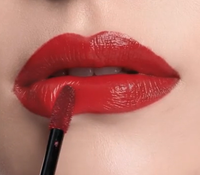
Wipe excess product from one side of the applicator against the tube opening. Place a small amount near the center of the lower lip and spread it outward before collecting more.
Use this sequence:
- Cover the center of the lower lip with a thin veil.
- Pull color toward the corners using controlled strokes.
- Apply the remaining product to the upper lip from the cupid's bow outward.
- Use less product at the corners and wet inner edge.
- Correct gaps while the layer is still fresh, then stop brushing.
Repeatedly going over the same area can lift pigment that has already begun to settle. One deliberate pass is often more even than many small strokes.
For a complete technique tutorial, read How to Apply Blurring Lip Tint for a Smooth, Even Finish.
Step 5: Let the Tint Set Without Rubbing Your Lips Together
Fresh lip tint is more mobile than the finished layer. Pressing, rolling, or rubbing the lips together during this stage can move color away from the center, push it toward lines and edges, or create a darker ring around the mouth.
After application:
- Keep the lips relaxed and slightly apart
- Avoid pursing or rolling them together
- Do not test transfer repeatedly with your hand or a tissue
- Wait until the obvious wet shine has softened
- Check whether the color has stopped moving easily
There is no universal setting time for every formula, layer thickness, temperature, or lip condition. Watch the finish rather than relying on an exact countdown.
Altera's watery shine develops into a soft-focus velvet matte as it settles. The stages are explained in Gloss to Matte Lip Tint: How a Shine-to-Blur Formula Works.
Step 6: Build with a Targeted Second Layer
After the first layer settles, check the lips in normal lighting and at a normal viewing distance. Add more only if you want greater depth or if natural lip pigment still creates visibly uneven coverage.
For the second layer:
- Add a small amount to lighter areas first
- Keep the outer border and corners thin
- Blend the new color into the settled layer
- Avoid fully recoating areas that are already even
- Let the second layer settle without rubbing
Two thin layers can provide better color control than one heavy layer. However, every additional layer adds material to a moving surface. Stop when the color is even enough and the lips still feel flexible.
Step 7: Protect the Inner Lip and Corners from Buildup
The wet inner lip experiences saliva, food, drinks, and frequent movement, so it often fades before the outer lip. Applying a thick layer there rarely solves the problem; the area is simply exposed to more moisture and friction.
Use minimal product along the wet inner edge and blend it into the main color. At the corners, use the applicator tip sparingly to avoid dark pooling.
If the inner lip fades later, make a small targeted repair rather than adding another full coat. A natural transition between the stained outer lip and inner lip usually looks better than a thick ridge of product.
Step 8: Reduce Unnecessary Friction During the Day
Normal eating, drinking, talking, and smiling will affect lip color. Longer wear does not require avoiding daily life, but a few habits can reduce preventable disruption:
- Let the tint settle before eating or drinking
- Blot the mouth gently instead of wiping side to side
- Avoid licking or biting the lips
- Do not repeatedly test whether the tint transfers
- Expect oily foods to affect many lip products more than dry foods
- Check the inner lip after meals before adding more color
Oils can loosen or redistribute cosmetic films, while wiping creates physical friction. This is why a tint may survive a drink but look different after an oily meal.
How to Touch Up Lip Tint Without Making It Dry or Patchy
The most comfortable touch-up repairs only the unstable area.
If the Color Faded Evenly
Apply a very thin layer over the lips, focusing slightly more product where the color is lightest. Let it settle before deciding whether another pass is needed.
If Only the Inner Lip Faded
Blot away moisture, place a tiny amount at the faded boundary, and tap it outward into the remaining color. Do not coat the entire outer lip again.
If Product Has Collected in Flakes
Do not paint over the buildup. Gently remove the loose color and unstable flake from that small area. If the spot feels tight, use a tiny amount of balm, allow it to absorb, blot thoroughly, and then apply a small amount of tint.
If the Lips Feel Uncomfortable
Stop adding layers. Remove the tint gently and use a non-irritating lip-care product. Burning, stinging, swelling, or worsening discomfort is not a sign that the color is working.
For uneven color troubleshooting, use Why Does Lip Tint Look Patchy? 7 Causes and Easy Fixes.
What Not to Do for Longer Lip Tint Wear
| Method | Why It Can Backfire | Better Approach |
|---|---|---|
| Scrub the lips aggressively | Can create irritation and unstable texture | Remove only loose flakes gently |
| Skip balm even when lips feel tight | Discomfort may lead to licking, picking, or uneven application | Condition earlier, then blot excess |
| Leave a thick balm layer under tint | Can make pigment slide or separate | Use a small amount and blot thoroughly |
| Apply one very heavy coat | May stay mobile, pool, and break unevenly | Build one or two thin layers |
| Rub lips together while setting | Moves fresh pigment and can create gaps | Keep lips relaxed and slightly apart |
| Dust loose powder directly over the lips | Can make the finish feel drier and alter the color | Let the formula create its intended finish |
| Recoat the entire lip after every meal | Builds unnecessary thickness over stable color | Repair only faded areas |
| Wipe the mouth repeatedly | Friction removes and redistributes pigment | Blot gently when needed |
Should You Apply Lip Balm Under Lip Tint?
Yes, if your lips need it, but amount and timing matter.
Use balm earlier in your routine when:
- The lips feel tight after cleansing
- Dry weather makes the surface uncomfortable
- You see small loose flakes that need softening
- A soft matte finish usually feels too dry on you
Blot before tint until the lips no longer feel slippery. If the tint repeatedly separates even after blotting, try using the balm at night and applying tint to clean lips the next day.
Choose a balm that does not sting or irritate your lips. Fragrance-free and flavor-free options are often easier for sensitive or chapped lips, but individual reactions vary.
For a complete formula checklist, read Best Lip Tint for Dry Lips: What to Look for in a Comfortable Formula.
Does Lip Liner Make Lip Tint Last Longer?
Lip liner can help define the border and provide a more controlled base around areas where tint tends to feather. It does not make the entire lip unaffected by meals or friction.
If you use liner:
- Choose a shade close to the tint or your natural lip color
- Apply light strokes around the border
- Blend inward so there is no hard ring
- Avoid filling the whole lip with a dry pencil if comfort is the priority
- Apply tint in a thin layer over or inside the blended edge
A heavily filled pencil base can increase dryness or change how the tint settles. Use it only where extra structure is helpful.
How Shade Depth Affects the Appearance of Wear
Shade does not necessarily change the formula's underlying durability, but it changes how easily fading can be seen.
- Nude and muted shades often create lower contrast at the inner lip and border.
- Medium pinks and balanced reds provide visible color without always creating the strongest fade line.
- Deep, bright, and highly saturated shades can make uneven wear more noticeable because the contrast is greater.
That does not mean deeper shades wear worse. They may simply need more precise application and targeted touch-ups.
Altera Blurring Lip Tint is available in 17 shades. Three popular starting points are 001 FLUX, a brownish red; 012 HUSH, a nude pink; and 013 FLUSH, a medium pink. Compare the complete range in the Altera Blurring Lip Tint Shade Guide.
All three best sellers are also available in the Best-Sellers Lip Tint Trio.
Why Altera Can Support Comfortable, Even Wear
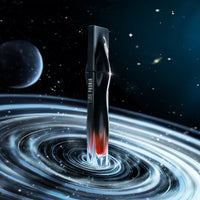
Altera begins as a cooling watery gloss that can be spread in a thin layer, then settles into a weightless, soft-focus velvet matte with long-lasting color. Time Phoria describes the formula using Pure Blur Technology and an Elastomer Water Blend.
The published ingredient list for 001 FLUX begins with water and includes dimethicone, butylene glycol, a dimethicone crosspolymer, glycerin, and pentylene glycol. At a formula level, these materials contribute to slip, texture, moisture management, and the flexible feel of the applied layer.
These characteristics support a practical wear routine:
- The watery first phase helps distribute a small amount of color
- The finish can be built with one or two thin layers
- The soft-focus velvet effect avoids the feel of a thick traditional liquid lipstick
- Glycerin and glycols support formula moisture management
- Silicone and elastomer materials contribute glide and a soft texture
They do not guarantee identical comfort or wear for every customer. Review feedback includes many positive comments about softness, lightweight feel, and comfort, while opinions about wear and fading vary. Individual experience depends on lip condition, shade, amount, meals, moisture, and habits.
How to Remove Long-Wearing Tint Without Scrubbing
Comfort after wear matters too. At the end of the day:
- Saturate the lip color with an oil-based makeup remover, cleansing balm, or another remover suitable for the lip area.
- Let the remover loosen the pigment briefly.
- Wipe gently rather than scrubbing back and forth.
- Repeat with fresh remover if color remains.
- Finish with a non-irritating balm if the lips feel dry.
Trying to remove every trace with a dry tissue can irritate the surface and make the next application less even.
FAQs
How can I make lip tint last longer?
Apply it to clean, comfortable lips in one thin layer, let the layer settle without rubbing, and add a targeted second layer only where needed. Reduce unnecessary friction and touch up faded areas instead of recoating the full lip.
Should I use lip balm before lip tint?
Use a small amount earlier in your routine if the lips feel dry, then blot excess before tint. A thick oily layer directly underneath can make the color move or separate.
How many layers of lip tint should I apply?
Begin with one thin layer. Add a second thin layer after the first settles if you want more depth or coverage. More than two layers may feel heavy or emphasize uneven texture, depending on the formula and lip condition.
Should I rub my lips together after applying tint?
Avoid rubbing while the tint is fresh. It can move pigment away from the center and interfere with an even finish. Keep the lips relaxed until the color stops moving easily.
Why does lip tint fade from the inner lip first?
The inner lip is exposed to saliva, food, drinks, and frequent movement. Use minimal product there and repair the faded boundary with a small amount rather than applying a heavy coat.
Do oily foods remove lip tint?
Oily foods can loosen or redistribute many lip products, while eating and wiping add friction. The effect varies by formula and application, so check the inner lip after meals and touch up only where needed.
Can I put powder over lip tint to make it last?
Powder can reduce surface shine, but it may also change the intended color and finish or make the lips feel drier. A thin layer allowed to settle naturally is a more reliable starting point for a gloss-to-velvet tint.
How do I reapply lip tint without it becoming patchy?
Blot moisture, remove only loose product, and apply a small amount to the faded area. Blend it into the remaining color and avoid stacking fresh tint over flakes or thick buildup.
Should I exfoliate my lips every day for longer wear?
No. Remove loose flakes gently when needed, but avoid routine aggressive scrubbing. Over-exfoliation can make the lips sore and create more unstable texture.
What should I do if lip tint burns or stings?
Stop using it and remove it gently. Use a non-irritating lip-care product and seek appropriate medical advice if symptoms are severe, persistent, or include swelling, bleeding, or significant pain.
Does Altera resist every type of transfer?
No absolute transfer claim applies in every situation. Transfer and wear vary with layer thickness, setting, moisture, food, friction, and individual lip condition.
How long should lip tint last?
There is no single reliable duration for every person or situation. Formula, shade, application, meals, drinks, friction, and lip condition all influence how long visible color remains.
Final Takeaway
Making lip tint last longer does not require making your lips dry. Condition them before makeup when needed, blot excess balm, apply a thin and even layer, let it settle without rubbing, and add color only where more coverage is necessary.
During the day, reduce unnecessary friction and repair faded areas instead of repeatedly coating the full lip. This keeps the applied layer lighter, helps fading look more controlled, and reduces the risk of dry-feeling buildup.
Explore all 17 shades of Altera Blurring Lip Tint, or try 001 FLUX, 012 HUSH, and 013 FLUSH together in the Best-Sellers Lip Tint Trio.