

A gloss to matte lip tint is designed to change finish after application. It begins with a fresh, watery shine that helps the color glide across the lips, then settles into a softer, less reflective velvet-matte layer. As the wet surface sets, the shine decreases, the color looks more diffused, and the final soft-focus effect becomes visible.
This is a sequence, not two finishes appearing at the same time. The glossy stage supports smooth application; the blurred matte stage is the intended finished look. Giving each thin layer time to settle is what lets the transformation happen evenly.
Quick Answer: How Does a Gloss to Matte Lip Tint Work?
A shine-to-blur lip tint usually moves through three visible stages:
- Watery shine: The fresh liquid texture spreads pigment and creates temporary surface reflection.
- Setting phase: The lightweight layer begins to settle, and the wet shine gradually softens.
- Soft-focus finish: The surface becomes more velvety and diffused, making harsh edges and visible lip lines appear less emphasized.
The change is driven by the way the formula spreads and sets on the lips. It is not a permanent change to the lips themselves, and it does not erase natural texture.
Stage 1: Why Does the Tint Look Glossy at First?
The first shine is part of the application experience. A watery or fluid base gives the applicator enough slip to distribute color before the product settles.
During this stage, the surface reflects more light because the formula is still fresh and mobile. That shine can make the lips look temporarily dewy even though the finished result is designed to be matte.
This initial texture serves several practical purposes:
- It helps pigment move across the lips without immediately catching in one area.
- It gives you time to connect the center and edges of the lip color.
- It makes a thin layer easier to spread than a dense matte paste.
- It lets you soften the border before the final finish develops.
The glossy appearance is therefore not a separate gloss coating. It is the first stage of the same lip tint.
Stage 2: What Happens While the Formula Sets?
After application, the fresh liquid layer begins to lose some of its wet-looking reflection. The formula becomes less mobile, and the pigments and texture-forming materials settle into a more even film.
At a consumer level, you can think of the setting stage as the moment when three things happen together:
- The color stops moving as freely as it did during application.
- The visible shine becomes softer and less mirror-like.
- The texture begins to feel more velvety and less wet on the lips.
This is why repeatedly pressing or rubbing the lips together can interfere with the result. Moving the formula while it is setting may pull color away from the inner lip, create heavier areas, or prevent the surface from looking evenly diffused.
There is no need to time the process to an exact number of seconds. Instead, watch the finish. When the obvious wet shine has softened and the color is no longer moving easily, the first layer has largely settled.
Stage 3: How Does the Soft-Focus Matte Finish Appear?
The final blur comes from a combination of lower surface shine, a lightweight flexible layer, and texture materials that create a more diffused reflection.
Gloss makes small curves and lines look more dimensional because reflected light is bright and directional. A soft matte surface reflects light less sharply. That reduced contrast can make the color look smoother and can soften the visual emphasis on fine lip lines.
The effect is optical. Natural lip texture is still present, especially at close range. A realistic soft-focus finish should look like real lips under softer light, not like a digital filter.
For a deeper explanation of this makeup category, read What Is a Blurring Lip Tint? A Complete Guide to the Soft-Focus Lip Look.
What Is Inside a Shine-to-Blur Formula?
Exact formulas vary, but gloss-to-matte tints commonly combine several functional ingredient groups. Each group contributes to a different part of the experience.
A Lightweight Liquid Base
Water and other liquid carriers help create the fresh, fluid feel that makes the tint easy to spread. They support the glossy-looking first stage without requiring the heavy texture of a traditional lip gloss.
Slip and Soft-Focus Materials
Silicone-based ingredients and elastomeric texture materials can help a formula glide, feel silky, and create a diffused surface. They do not physically remove lip lines; they help change how light and color appear across the lips.
Flexible Film-Forming Materials
Film formers help the applied color settle into a more continuous layer. A flexible film is important because lips constantly move when speaking, smiling, eating, and drinking.
Humectants and Comfort-Supporting Ingredients
Ingredients such as glycerin and glycols can support a more comfortable feel by helping the formula manage moisture. They do not replace lip care or repair visibly peeling lips, but they can help a matte-looking product feel less rigid.
Pigments and Colorants
Pigments and dyes create the visible shade and any color that remains after the freshest surface finish begins to fade. The exact colorant blend can vary across shades.
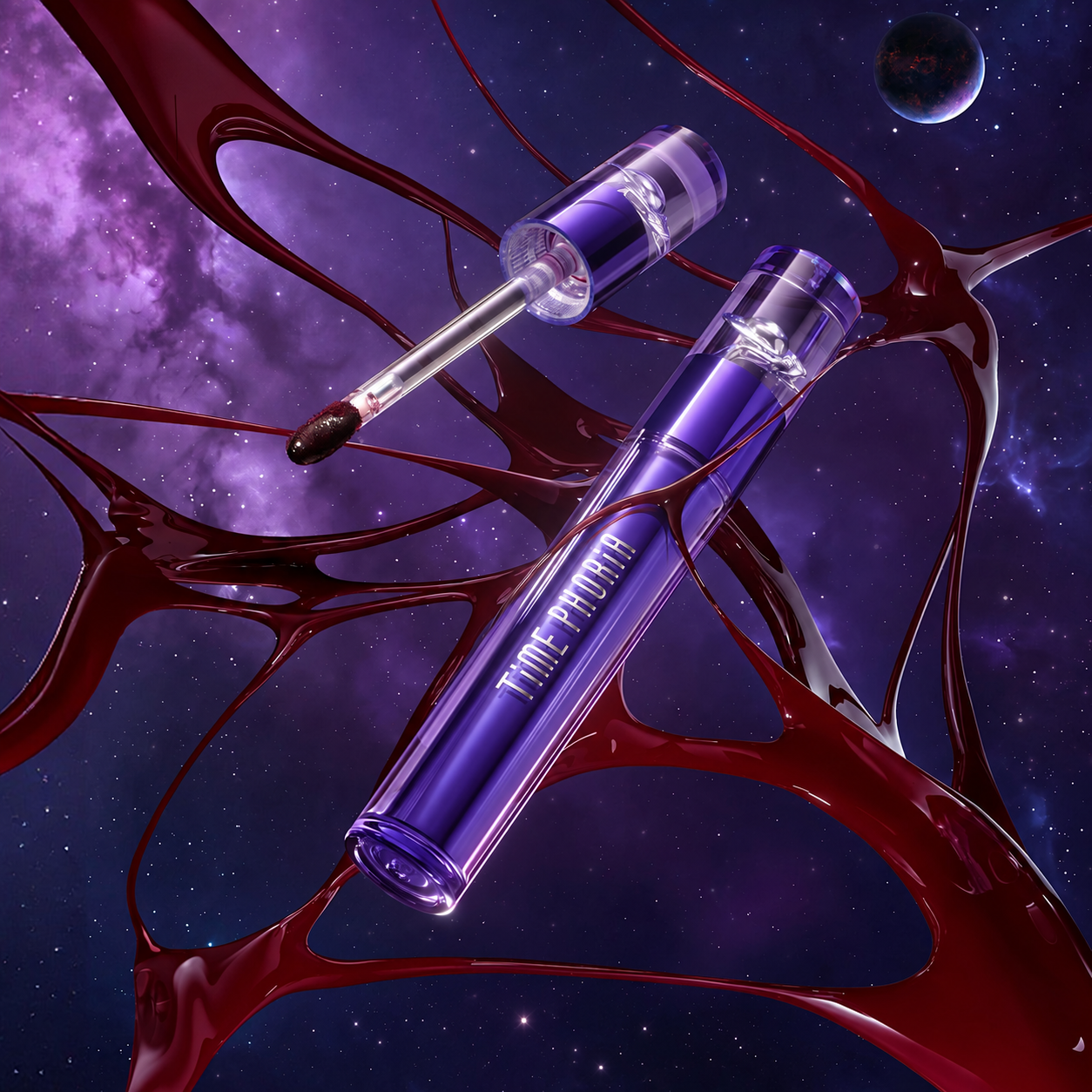
Altera Blurring Lip Tint uses this type of watery-to-velvet approach. Time Phoria describes its systems as Pure Blur Technology and an Elastomer Water Blend, designed to support a soft-focus finish, lightweight feel, and flexible color layer.
Is the Formula Actually Changing, or Is It Just Drying?
"Transforming" describes the visible and sensory change on the lips. The product is not turning into a completely different formula or causing a chemical change to the lips.
What you notice is a finish transition:
- Fresh liquid creates shine and slip.
- The applied layer settles and becomes less mobile.
- The surface reflection decreases.
- The final color looks softer, more velvety, and more diffused.
Calling it a gloss-to-matte or shine-to-blur formula is useful because it describes what the wearer sees. It should not be understood as a permanent treatment or as proof that every lip will become completely texture-free.
Why Waiting Before the Second Layer Matters
Applying more product before the first layer settles can make it difficult to judge the real color, coverage, and finish. It can also create a thick surface that takes longer to become even.
For better results:
- Apply one thin, even layer.
- Keep the lips relaxed while the wet shine begins to soften.
- Check the color only after the first layer has settled.
- Add a second thin layer where you want more depth or coverage.
- Let the second layer settle without repeatedly rubbing the lips together.
Two controlled layers are usually easier to keep even than one heavy coat. This method also lets you stop when the shade reaches the intensity you want.
How to Tell When the Tint Has Set
Do not rely only on a clock. Look for a combination of visual and sensory cues:
- The mirror-like wet shine has softened.
- The surface looks more velvet than glossy.
- The color no longer shifts easily when the lips move naturally.
- The formula feels lighter and less wet.
- The border and inner lip look even enough to evaluate.
The final finish can vary with the amount applied, the condition of the lips, the shade, lighting, and any lip care underneath. A thicker layer or an oily balm can make the glossy stage last longer.
What Can Interrupt the Shine-to-Blur Transition?
Applying Too Much Product
A heavy coat can stay wet-looking for longer and may settle unevenly. Start thin and build only after checking the first layer.
Rubbing the Lips Together Repeatedly
Pressing and rubbing can move color away from the inner lip or collect it along lines before the layer sets.
Using a Thick or Oily Balm Underneath
Lip balm can help prepare dry-feeling lips, but too much oil may keep the tint mobile. Apply a light layer, allow it to absorb, and blot away excess before adding color.
Layering Too Quickly
A second coat placed over a still-wet first coat can disturb the color instead of adding clean coverage.
Applying Over Flakes
Soft-focus makeup can reduce visual contrast, but it cannot hide loose skin. Pigment may collect around flakes and make the finish appear patchy.
Does Every Gloss to Matte Tint Become Completely Flat?
No. "Matte" covers a range of finishes.
A traditional flat matte has very little visible reflection and often looks crisp and opaque. A velvet matte can retain soft dimension while still appearing less shiny than the fresh application stage. A blurred matte emphasizes diffused color rather than a powdery or completely flat surface.
Altera is designed to finish in the soft-focus velvet-matte range. Depending on the lighting and how much you apply, a small amount of natural dimension may remain. That does not mean the formula failed to set.
Gloss to Matte Lip Tint vs Traditional Matte Liquid Lipstick
| Feature | Gloss to Matte Lip Tint | Traditional Matte Liquid Lipstick |
|---|---|---|
| Initial texture | Watery or glossy | Usually creamy and more opaque |
| Application window | Fluid and easy to spread | Often requires faster, more precise placement |
| Final effect | Soft-focus, velvet, or diffused matte | Crisp, structured matte |
| Edge style | Easy to blur or soften | Often designed for a defined outline |
| Coverage | Buildable with thin layers | Often fuller in one coat |
| Best for | Lightweight blurred or gradient looks | Bold, sharply defined lip looks |
These are general differences, not universal rules. Always judge a product by its actual texture and finish rather than the category name alone.
Meet Altera Blurring Lip Tint
Altera Blurring Lip Tint begins with a cooling watery gloss and settles into a weightless, soft-focus velvet matte with long-lasting color. It is available in 17 shades, allowing the same shine-to-blur texture to work across soft everyday colors and deeper statement shades.
If you are exploring the formula for the first time, the three best-selling shades are:
- 001 FLUX: a brownish red
- 012 HUSH: a nude pink
- 013 FLUSH: a medium pink
All three are available in the Best-Sellers Lip Tint Trio. You can also compare Altera with other finishes in the Time Phoria lip makeup collection.
Shade appearance can change with natural lip color, skin tone, lighting, and number of layers. Wear and transfer can also vary with meals, moisture, friction, and application method.
FAQs
Why does my lip tint look glossy when I first apply it?
The fresh liquid layer reflects more light and gives the formula enough slip to spread evenly. In a gloss-to-matte tint, that initial shine is temporary and should soften as the layer settles.
How long should I wait for a gloss to matte lip tint to set?
Wait until the obvious wet shine softens and the color stops moving easily. The exact time can vary with layer thickness, lip preparation, and formula, so visual cues are more useful than one fixed number.
Can I add a second layer?
Yes. Let the first thin layer settle, then add a second thin layer for deeper color or fuller coverage. Applying two controlled layers is usually more even than applying one heavy coat.
Should I rub my lips together while it sets?
Try to keep the lips relaxed. Repeated rubbing can move the still-wet color and may create uneven areas, especially around the inner lip.
Is a gloss to matte lip tint the same as matte liquid lipstick?
Not exactly. A gloss-to-matte tint usually begins thinner and more fluid, then develops a softer, more diffused finish. Matte liquid lipstick is often more opaque and designed for sharper definition.
Does gloss to matte lip tint hide lip lines?
It can soften their appearance by creating a less reflective, more diffused surface. It does not erase natural lines or permanently change lip texture.
Is a shine-to-blur formula transfer-proof?
Not automatically. Transfer depends on the formula, layer thickness, setting time, moisture, food, and friction. Letting the tint settle can improve the finish, but no application method makes every lip product unaffected by all contact.
Why does the finish still look slightly shiny on me?
You may have applied a thicker layer, used an oily balm underneath, or viewed the lips under strong direct lighting. Allow more time for the layer to settle before adding product. A velvet matte can also retain some natural dimension without looking like a wet gloss.
Final Takeaway
A gloss to matte lip tint works in stages. The watery shine helps color spread, the setting phase reduces mobility and reflection, and the final layer creates the softer velvet effect associated with blurred lip color.
The most important application rule is simple: use a thin layer and let it settle before deciding whether you need more. That short pause gives the formula time to show its true finish and helps prevent a glossy-to-blur product from becoming heavy or uneven.
Explore all 17 shades of Altera Blurring Lip Tint, or try 001 FLUX, 012 HUSH, and 013 FLUSH together in the Best-Sellers Lip Tint Trio.