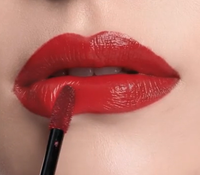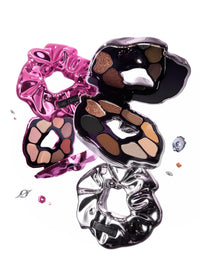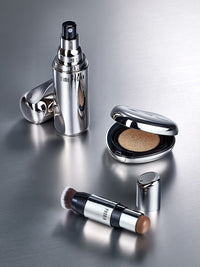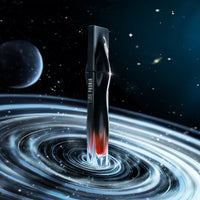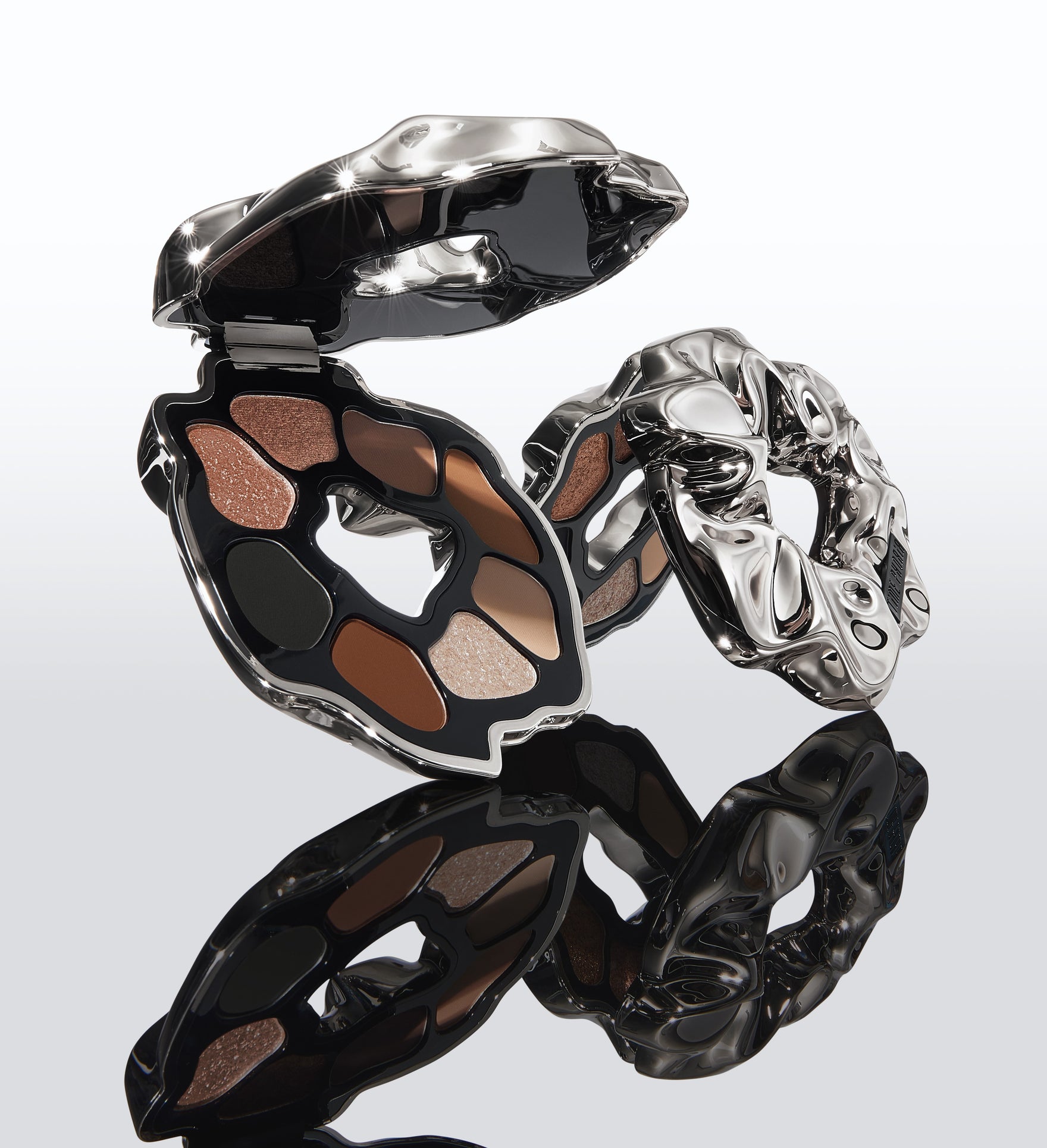


Jelly eyeshadow is eye color with a soft, gel-like texture, often built around a water-based formula. Instead of a loose or pressed powder, it carries color and reflective particles in a cushiony base. Many versions feel cool on application and leave a shimmering, wet-look finish after the formula settles. Jelly describes the texture; wet-look describes the appearance. Your eyelids do not need to stay wet for the shine to remain.
That combination makes jelly eyeshadow interesting for anyone who wants luminous eye color without working with a separate loose shimmer. It can be a light wash for everyday makeup or a more concentrated metallic accent. The exact result depends on the formula, shade, amount, and how you blend it.
Jelly Eyeshadow at a Glance
- Texture: Soft and gel-like rather than dry and powdery.
- Application feel: Often fresh, cushiony, or cooling, depending on the formula.
- Finish: Frequently pearly, metallic, iridescent, or sparkling.
- Format: Available in different packaging, including pots and sticks.
- Main technique: Apply a small amount and soften the edges while it is still blendable.
- Important distinction: Reflective shine does not automatically mean a sticky, permanently wet layer.
If you are considering a jelly eyeshadow stick, pay attention to its blending window and storage instructions as well as its color. Those practical details can make a bigger difference to your experience than the word "jelly" alone.
What Makes Jelly Eyeshadow Different?
The difference starts with the base that holds the color. A jelly formula has a gel-like structure that gives it a soft, yielding feel. Many use water alongside texture-forming ingredients and reflective pigments, creating a different application experience from a dry powder pan or a firm waxy stick.
The category is not one universal recipe. Two products described as jelly eyeshadow can have different ingredient lists, coverage, setting speeds, and finishes. Some provide a translucent sparkle; others deliver a more opaque metallic color.
Jelly and Gel: Are They the Same Thing?
The terms overlap. "Jelly" usually emphasizes a cushiony or bouncy texture, while "gel" is a broader description. A product described as a gel eyeshadow stick may share some of the same characteristics, but the name alone cannot tell you how quickly it sets or how much shimmer it contains.
Shimmer, Metallic, and Iridescent Describe the Finish
These terms describe how the color interacts with light, not whether the base is jelly, cream, or powder:
- Shimmer adds visible light-catching reflection.
- Metallic suggests a more concentrated, foil-like sheen.
- Iridescent describes a color shift as lighting or viewing angle changes.
A jelly eyeshadow may combine more than one of these effects. Check close-up images and moving swatches rather than expecting one photograph to show every reflection.
Why Does Jelly Eyeshadow Feel Cooling?
A water-rich gel can feel fresh against the skin during application. That sensation is part of the texture experience, and its intensity varies with the formula, storage conditions, and the person wearing it.
Illumina's product education describes a cool, cushiony application and a red-algae-containing gel system. Its ingredient list includes water and Chondrus crispus, an algae-derived ingredient. That information does not establish that one ingredient alone causes the cooling sensation, or that the product treats puffiness or irritated eyelids.
A refreshing feel should not be confused with burning or persistent tingling. Discomfort is a reason to stop using a product, not proof that it is working.
Does Wet-Look Eyeshadow Stay Wet?
Not necessarily. In a setting jelly formula, the product starts out soft and easy to spread, then becomes less mobile. Reflective particles continue to catch the light, so the finish can still look glossy or glazed after the surface has settled.
Think of the difference between how a product feels while you apply it and how the finished color looks. A reflective metallic lid can have a wet appearance without behaving like a layer of eye gloss.
This is why a jelly eyeshadow can be both luminous and relatively quick-setting. It is also why you should blend before it settles instead of repeatedly dragging across the finished layer.
Jelly Eyeshadow vs Cream, Powder, and Eye Gloss
| Texture | What to Expect |
|---|---|
| Jelly eyeshadow | A soft gel-like base, often water-rich, with a fresh application feel. Many formulas create reflective color and need prompt blending. |
| Cream eyeshadow | A creamy texture that may be emollient, silicone-based, wax-based, or a combination. Finishes and setting speeds vary widely. |
| Powder eyeshadow | Dry pressed or loose color, available from matte to metallic. Loose particles can fall during application, depending on the formula and technique. |
| Eye gloss | A product intended to create a glossy-looking surface. It may remain more emollient or mobile than a setting shadow, depending on the formula. |
None of these categories is automatically better. Powder may be useful for building a matte transition shade, while a jelly shadow can add concentrated reflection to the lid. You can also combine textures when they layer well together.
Meet Illumina Jelly Eyeshadow Stick
Illumina Jelly Eyeshadow Stick puts the jelly texture into a twist-up format. It is designed to apply directly to the eyelid, with color that can be softened using a clean fingertip.
Time Phoria's product education describes a water-based texture, pearlescent reflection, and a sparkling metallic effect. The brand uses the names Hydra-Metallic Glaze, Red Algae Gel Technology, and Gel Crystal Complex to describe aspects of its color and texture system.
The useful takeaway is straightforward: you get a soft application feel and reflective eye color in a portable stick. The product does not need to be pressed hard against the lid to release color. Gentle application helps protect the soft tip and gives you more control over the amount deposited.
It is a good format to consider when you want a luminous lid or a small metallic accent. If your preference is a completely matte finish or a long period of blending and reshaping, a different texture may suit that particular look better.
How to Apply a Jelly Eyeshadow Stick
Follow the directions for your exact product. For Illumina, the most useful beginner habit is to complete one eye before moving to the other.
1. Start with Clean Hands and Prepared Lids
Use clean hands and tools. Avoid applying over a thick, oily layer of skincare. If your eyelids tend to become oily, a thin layer of compatible eyeshadow primer may help; allow it to settle as directed before adding color.
2. Expose Only a Small Amount of the Stick
Twist up just enough product to apply comfortably. A soft jelly tip can be damaged by excessive pressure, so use a light hand rather than extending it far out of the tube.
3. Place a Thin Layer on One Eyelid
Apply a small amount where you want the main color. You do not need to cover the entire eye area in one heavy swipe. Keep the product away from the eye itself and follow the package's permitted application areas.
4. Tap the Edge Immediately
Use a clean fingertip to soften the edge while the color is still blendable. Tap lightly instead of rubbing back and forth. Illumina sets quickly, so finishing the first eye before starting the second gives you more control.
5. Check Before Adding More
Let the first layer settle, then decide whether you want a small additional accent at the center of the lid. A thin base with a targeted second layer is easier to manage than starting with too much product.
Close the cap securely when you finish. Protecting the texture in the tube is part of getting a consistent result next time.
Can Jelly Eyeshadow Crease or Create Fallout?
Yes, either can still happen. A gel base can help hold reflective particles together during application, but that is not a guarantee that no particle will ever move. Amount, rubbing, layering, and the condition of the product all matter.
Creasing is also influenced by eyelid oil, skincare underneath, fold movement, and layer thickness. A product designed to resist creasing still benefits from appropriate preparation and a controlled amount.
For beginners, it is more useful to aim for thin, well-placed color than to keep adding product in pursuit of a completely opaque result. If the layer has already set, avoid scrubbing at it with a fingertip. Follow the product's touch-up guidance or remove and restart a small uneven area.
How to Choose Your First Jelly Eyeshadow Shade
Start with the effect you want rather than the number of shades available:
- An everyday reflective lid: Consider a bronze or rose direction.
- A small light-catching accent: Look for a luminous white or pale reflective shade.
- A more colorful look: Try a lavender or another shade that contrasts with your usual neutrals.
Within Illumina, 005 BRONZITE, 007 ROSE STONE, 009 DIAMOND, and 010 AMETHYST offer examples of those directions. Compare the current swatches and eye looks on the product page before deciding.
For a coordinated option, The Everyday Earth Trio brings together 001 MOONSHELL, 005 BRONZITE, and 008 CHROMITE. You can use a selected shade alone or work with the three-color combination.
Metallic and iridescent colors can look different as the light moves. A flash-lit image may show stronger sparkle than indirect daylight, so use more than one image or a video when available. Shade guidance is a starting point, not an exact color-match guarantee.
How to Keep Jelly Eyeshadow from Drying Out
Illumina's product education specifically instructs users to replace the cap after use and store it at a cool room temperature. Leaving the soft formula exposed to air can change its texture.
- Close the cap securely after each use.
- Keep it away from direct heat and hot cars.
- Follow the period-after-opening guidance on the current packaging.
- Do not try to restore a dried stick with water, saliva, oil, or contact-lens solution unless the manufacturer provides a specific approved method.
If the smell, color, or texture changes unexpectedly, stop using it and ask the brand for guidance. Do not keep applying a damaged product near the eyes simply to finish the tube.
A Few Eye-Makeup Safety Basics
Use only products intended for the eye area, keep hands and tools clean, and do not share eye makeup. Avoid application during an eye infection or when the surrounding skin is inflamed. If a product causes irritation, stop; persistent irritation warrants medical advice.
These are general eye-makeup precautions, not an indication that a cooling formula is suitable for every sensitive eye. The FDA's eye cosmetic safety guidance explains these practices in more detail. Do not assume that an eyeshadow is approved for the waterline just because it is intended for use on the lids.
FAQs
Is jelly eyeshadow the same as glitter?
No. Jelly describes the base texture; glitter or shimmer describes the reflective effect. A jelly shadow can create pearly, metallic, or sparkling color without being a pot of loose glitter.
Is jelly eyeshadow good for beginners?
It can be, especially for a single-shade lid. Start with a small amount and blend promptly. A quick-setting formula needs a different rhythm from a powder that you can blend for longer.
Do I need a brush for Illumina?
Illumina is designed for direct application followed by light fingertip blending. Use clean hands. A brush may be useful for precise placement if it works with the formula, but it is not required for a simple lid look.
Is a wet-look eyeshadow waterproof?
You cannot tell from the finish. Wet-look describes reflected light, while waterproof describes a performance claim that needs product-specific support. Do not assume that a shiny finish or gel texture means water resistance.
Can I wear jelly eyeshadow on oily or hooded eyelids?
You can consider it, but neither the texture name nor the stick format guarantees crease-free results. Use a thin layer, blend promptly, and consider a compatible primer for oily lids. Eyelid folds and contact between surfaces can still affect wear.
Does the cooling feel mean it is safe for sensitive eyes?
No. A cooling sensation is not an eye-safety test or proof that a product will suit you. Check the ingredient list and directions, and stop if you experience irritation.
Why does jelly eyeshadow stop blending?
A setting formula becomes less mobile after application. Work on one eye at a time and soften the edges immediately. Continuing to rub after it has set can disturb the color instead of blending it.
The Bottom Line
Jelly eyeshadow combines a soft gel-like texture with light-catching color. Its fresh application feel and reflective finish offer a different experience from a dry powder or a conventional cream shadow, but the most important distinction is simple: wet-look shine is an appearance, not a requirement for the product to remain wet.
Start small, blend while the formula is fresh, and close the cap after use. To explore that finish, see Illumina Jelly Eyeshadow Stick or browse the Time Phoria eye makeup collection.