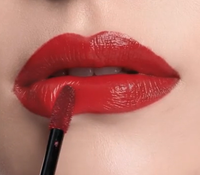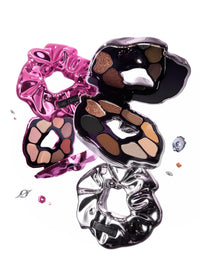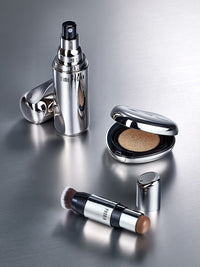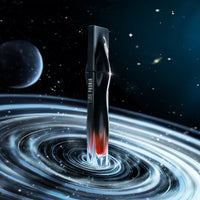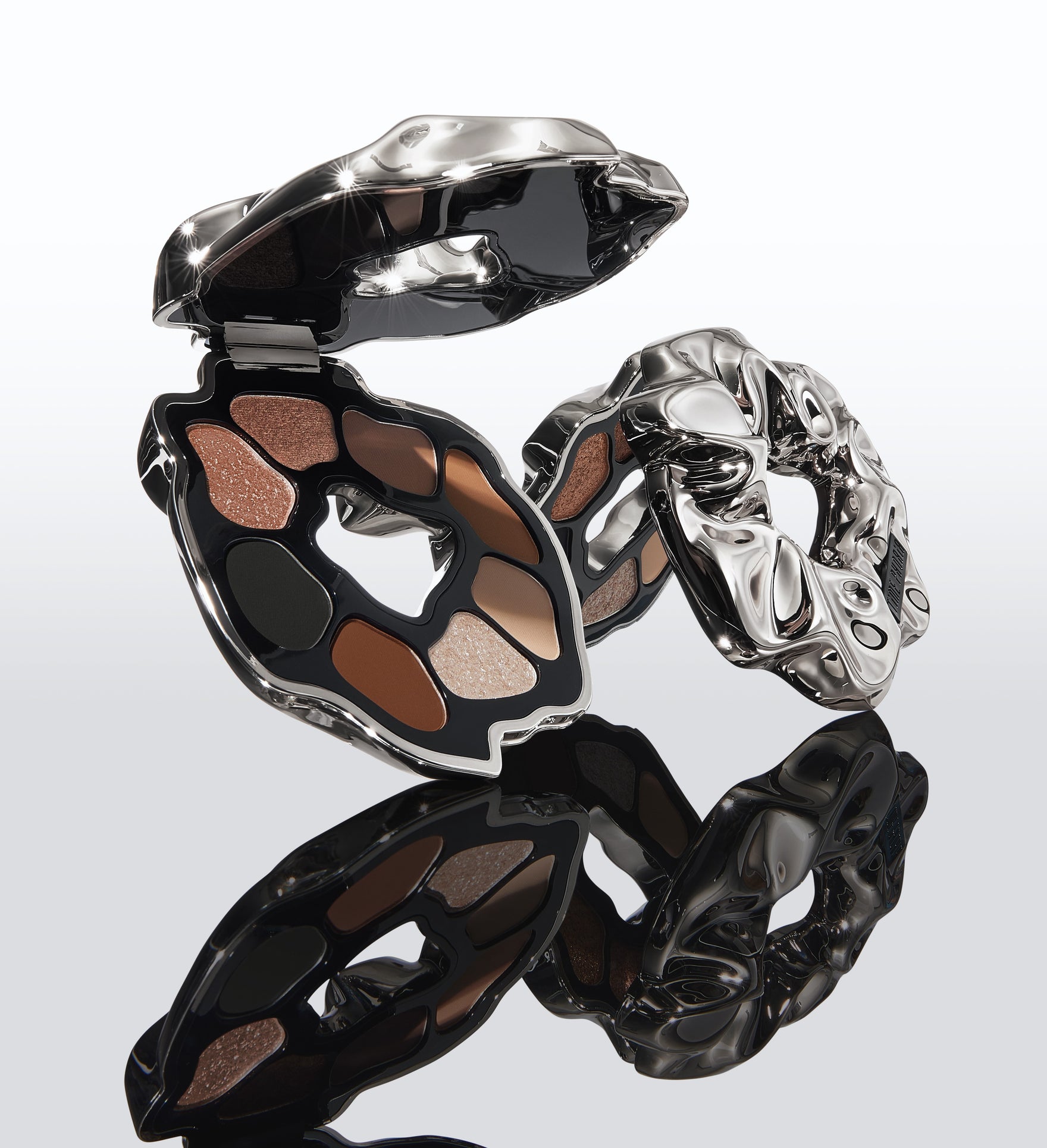


A glossy-looking lid, a softly blended crease, and a quick wash of everyday color do not always need the same eyeshadow. The right starting point is not which texture is newest, but how you want your makeup to look and how you like to apply it.
Jelly eyeshadow has a gel-like texture, cream eyeshadow has a smooth, spreadable consistency, and powder eyeshadow comes in pressed or loose form. Their differences are most useful when you compare application, blending time, and layering. The name alone does not tell you which will be more pigmented, more comfortable, or longer-lasting.
Here is how to choose between them, including where Illumina Jelly Eyeshadow Stick fits into a routine and when a powder palette may be the more useful tool.
Jelly, Cream, and Powder Eyeshadow at a Glance
These are common characteristics, not rules that every formula follows.
| What to compare | Jelly eyeshadow | Cream eyeshadow | Powder eyeshadow |
|---|---|---|---|
| Starting texture | Gel-like, often water-based | Smooth and spreadable | Pressed or loose powder |
| Finish options | Often reflective or wet-looking | Matte, satin, shimmer, or metallic | Matte, satin, shimmer, or metallic |
| Blending approach | Blend before a setting formula dries | Check how quickly the formula sets | Build and blend in small amounts |
| Typical tools | Clean fingertip or suitable brush; some come in sticks | Clean fingertip, brush, or stick applicator | Blending or packing brush; some shimmers suit fingertips |
| A useful starting point for | A luminous wash or reflective lid accent | Swipe-on color or a cream base | Soft gradients and multi-shade looks |
| What to watch | Dry-down speed and keeping the cap closed | Set time and layer thickness | Brush loading and loose particles |
Texture Is Not the Same as Finish
One of the biggest sources of confusion is treating "jelly" as another word for "shimmer," or "powder" as another word for "matte."
Texture describes the product you apply. Finish describes how it looks on your eyelid. A cream can dry matte. A pressed powder can give an intensely reflective, almost foiled effect. A jelly can settle into a layer that still looks wet without remaining liquid on the skin.
Packaging is a separate detail, too. An eyeshadow stick may contain a cream or a jelly formula; its shape does not define its texture.
This distinction matters when shopping. If you want sparkle, look at the finish and swatches. If you want a particular application feel, look at the formula and directions. For a closer introduction to the gel-like category, read What Is Jelly Eyeshadow? A Complete Guide to the Cooling Wet-Look Finish.
What Each Eyeshadow Texture Does Well
Jelly Eyeshadow: A Fresh Application Feel and Reflective Color
Jelly eyeshadows have a gel-like consistency, although the category includes different formulas and formats. Some feel bouncy in a pot; others come in a soft stick. Water-based versions can feel fresh as they go on, but cooling sensation is a product feature, not a promise that every jelly will feel identical.
Illumina Jelly Eyeshadow Stick is a water-based example with a cushiony application feel and a sparkling metallic finish. Its formula combines a gel texture with reflective pearls for a luminous lid look.
The practical trade-off is timing. Illumina sets quickly, so apply to one eye and tap the edge immediately before moving to the other. It suits a small, deliberate placement of color more naturally than a routine that involves repeatedly blending the same area for several minutes.
Cream Eyeshadow: Smooth Color in More Than One Finish
Cream eyeshadow can come in a pot, tube, or stick. Formulas may use silicones, waxes, emollients, water, or combinations of these ingredients, so "cream" does not automatically mean oily or heavy.
Some creams remain workable for a while; others dry down into a more fixed layer. Matte creams can provide understated color, while shimmer and metallic versions add light-catching detail. Certain products are also designed to work as a base beneath powder eyeshadow.
For a simple routine, a cream stick can be convenient: place a small amount where you want it and soften the edge with a clean fingertip or brush. Check the directions rather than assuming that all creams give you a long blending window or function as a primer.
Powder Eyeshadow: Gradual Blending and Flexible Placement
Powder eyeshadow comes loose or pressed into a pan. It is particularly useful when you want to add color little by little, blend several shades, or use different brushes for different areas of the eye.
A matte powder can create a soft crease or outer-corner shadow. A satin adds a quieter sheen, while a reflective shimmer can make the center of the lid look bright and dimensional. Powder is not limited to a flat finish.
The Navi Eyeshadow Palette, for example, combines eight shades with matte, satin, and shimmer finishes. That mix gives you options for both soft definition and a more luminous lid within one palette.
The Differences You Will Notice During Application
1. Blending Time Matters More Than the Category Name
If you like to take your time adjusting an outer corner, a buildable powder can be a comfortable starting point. Applied dry, it does not have the same drying stage as a wet formula, although the base underneath still affects how easily it moves.
With jelly and cream products, check whether the formula sets. A quick-setting shadow can work well for a fast eye look, but fast application and a long blending window are not the same benefit.
For Illumina, keep the first layer small and blend straight away. If you notice an edge after it has set, avoid scrubbing it back and forth. On your next application, use less product and finish one eye before starting the other.
2. Color Payoff Depends on More Than Texture
A jelly shadow is not automatically more pigmented than a powder, and a cream is not automatically more opaque than either one. Shade, formula, application amount, and tools all influence the result.
Separate base color from reflection when assessing a swatch. A translucent shimmer may look dazzling under direct light while allowing the skin beneath to show through. An opaque matte can deliver stronger coverage without sparkling at all.
For an everyday wash, consider how the shade looks in a thin layer. For a bold lid, look for swatches that show coverage as well as shine. Do not judge only by how dark the product looks in its packaging.
3. Fallout Is Not a Simple Yes-or-No Difference
Loose particles can fall below the eye when applying powder, particularly if a brush carries more product than you need. Pick up a little at a time, tap off excess, and press reflective shades into place rather than sweeping them widely.
A cohesive jelly or cream texture can make precise placement easier, but that does not guarantee that every formula will remain free of flakes or stray shimmer throughout wear.
For any texture, avoid overloading the lid. If cleanup is a concern, doing eye makeup before complexion makeup is another practical option.
4. Wear Depends on the Formula and Your Routine
There is no reliable wear-time ranking that puts every jelly above every cream or powder. A setting cream, a film-forming jelly, and a well-prepared powder look may each work well for different people.
Lid oil, movement, rubbing, layer thickness, and the products underneath can all affect the result. On oily lids, a thin, compatible eyeshadow primer may help; allow it to settle according to its directions rather than leaving a thick, slippery base.
For hooded eyes, check the placement with your eyes open as well as closed. Keep layers light where the lid folds, and follow the shadow's setting instructions. No texture should be treated as universally crease-proof.
Which Texture Should You Choose?
Start with the eye look and workflow you want:
- A reflective lid with minimal equipment: A jelly stick such as Illumina is worth considering if you like fingertip application and are comfortable blending promptly.
- A simple matte wash without a palette: Look for a matte cream shadow with a blending window that suits you. A small amount of matte powder can also achieve this look.
- A softly graduated or smoky eye: A powder palette makes it convenient to build depth, switch shades, and refine the transition with a brush.
- Shimmer only where the light catches: Choose a suitable jelly, cream, or powder shimmer and place it selectively. Reflectivity matters more here than the format.
- More time to practice: Begin with one shade and a small amount. A powder may suit gradual adjustment; a stick may suit direct placement. Neither removes the need to learn its application technique.
If your eyelids tend to feel dry, do not assume "jelly" guarantees hydration or "powder" guarantees discomfort. Evaluate the specific formula and how a thin layer feels on you. Makeup should not sting or require forceful rubbing to apply.
Can You Use Jelly, Cream, and Powder Together?
Yes, but you do not need all three for a complete look. A useful starting point is to give each texture a separate job instead of building a thick stack over the entire eyelid.
For a soft crease with a reflective lid, try this approach:
- Prepare the lid. Start with clean skin and let any compatible eye primer settle as directed.
- Build the surrounding shape. Use a little matte powder through the crease or outer corner, keeping the area for your jelly accent mostly clear.
- Place the shine. Apply a small amount of jelly to the lid area you want to highlight. With Illumina, tap the edge immediately and work on one eye at a time.
- Check before adding more. Look at the result with your eyes open. Add another small amount only where needed, following the formula's layering instructions.
A cream designed as an eyeshadow base offers another route beneath powder. Follow that product's directions, since not every cream is intended to serve as a primer.
Compatibility varies. If one layer lifts another, reduce the amount or try the products in separate areas. Do not keep rubbing over a disrupted layer, and do not add water to a shadow unless its manufacturer specifically instructs you to.
Where Illumina and Navi Fit in Your Makeup Bag
Think of these as two different tools, not a winner and a runner-up.
Choose Illumina Jelly Eyeshadow Stick when you want a cooling, gel-like application and sparkling metallic color in a portable stick. Its best starting technique is a light swipe followed by immediate fingertip blending. Keep the cap closed after use to help preserve the jelly texture.
Choose Navi Eyeshadow Palette when you want several coordinated shades and finishes for building a complete eye look. Its matte, satin, and shimmer options let you move between subtle definition and more reflective detail.
You can also combine matte definition from Navi with an Illumina lid accent using the separate-placement approach above. Or keep it simple and use just one product. Browse the eye makeup collection to choose the texture and finish that suit your routine.
Frequently Asked Questions
Is Jelly Eyeshadow the Same as Cream Eyeshadow?
Not exactly, although product descriptions can overlap. Jelly usually refers to a gel-like consistency, while cream describes a smooth, spreadable texture. Both can come in sticks or pots, and either may set after application. The individual formula tells you more than the name alone.
Can Powder Eyeshadow Create a Wet-Look Finish?
Yes. Reflective powder finishes can look foiled or wet even when applied dry. Jelly is one way to get that appearance, not the only one. Check the shade's finish and application directions before deciding to dampen a brush.
Does Jelly Eyeshadow Stay Wet or Sticky?
Not necessarily. A wet-looking finish describes reflection, not permanent moisture on the eyelid. Some jelly formulas set after application while retaining a luminous appearance. The final feel depends on the product and how much you apply.
Which Eyeshadow Texture Is Safest for Sensitive Eyes?
No texture label establishes suitability for sensitive eyes. Use products intended for the eye area, keep hands and tools clean, and avoid sharing eye makeup. The FDA's eye cosmetic safety guidance recommends stopping use if irritation occurs and seeking medical advice if it persists.
The Bottom Line
Choose jelly for the gel-like application experience, cream for a smooth spreadable format, and powder for the way you can build and blend it with different tools. Then narrow your choice by finish, set time, and the look you want.
The most useful eyeshadow is not the one with the most impressive category name. It is the one that gives you the color, control, and routine you enjoy using.